
What is Accrual Basis Accounting? Definition Meaning Example

Accounting records for deferred revenue are unearned credit revenue in the liabilities section and debit cash or bank or similar balance sheet. However, deferred revenue, sometimes called unearned revenue, is a liability. It happens when the entity receives cash or similar assets in return for goods or services that the entity will be provided for in the future. The balance sheet items that corresponded with incomes or expenses are records and recognized in the same way. For example, Accounts payable are records and recognized when accrual expenses are records and recognized. The Accrual basis is the accounting principle that use to recognize and record accounting transactions or events accrual basis in the financial statements regardless of its cash flow.

It provides a more accurate picture of a company’s financial performance compared to the cash basis. This means that both revenues and expenses are recognized and recorded in the accounting period when they occur instead of when payments are actually made. GAAP requires businesses to use the accrual method because it more accurately reflects the financial position of a company than the cash basis.

These two methods shape how businesses track income, expenses, and (perhaps most importantly) how much they owe in taxes. The accrual basis records transactions when they occur, while the cash basis records them only when cash changes hands. This makes the accrual basis more accurate for reflecting long-term financial performance. An accountant enters, adjusts, and tracks “as-yet-unrecorded” earned revenues and incurred expenses. For the records to be usable in financial statement reports, the accountant must adjust journal entries systematically and accurately, and the journal entries must be verifiable. The electricity company needs to wait until the end of the month to receive its revenues, despite the in-month expenses it has incurred.

What are the advantages of accrual accounting?

My Accounting Course  is a world-class educational resource developed by experts to simplify accounting, finance, & investment analysis topics, so students and professionals can learn and propel their careers. Shaun Conrad is a Certified Public Accountant and CPA exam expert with a passion for teaching. After almost a decade of experience in public accounting, he created MyAccountingCourse.com to help people learn accounting & finance, pass the CPA exam, and start their career. For instance, a manufacturing company estimating warranty claims for a new product line must rely on historical data and assumptions, which may not always be accurate.

  • The accrual basis ensures that financial statements reflect the true economic activities of a business by matching revenues with related expenses.
  • The following are examples of recording accounting transactions under Accrual Accounting.
  • Therefore, to carry an accurate recording of Joe’s bonuses, the company must make a bonus liability accrual to record these bonus expenses.
  • This flushes the entries out of the accounting system, which eliminates the risk of discovering stray entries in the accounting records as part of the year-end closing process, and having to reverse them then.
  • This makes it easier to track the financial progress of each project and understand profitability over time.

Data Sheets

Accrual accounting is helpful because it shows underlying business transactions, not just those with cash involved. Most transactions a company has are straightforward, with payment happening at the time of the transaction. Other, more complicated transactions involve buying and selling on credit, which requires a company to account for monies that they will have to pay or receive at a future date. If you’re a business owner of any size who wants a more accurate picture of your company’s financial health, the accrual method of accounting might be right for you.

Accrued revenue is income you’ve earned by providing a product or service, even though you haven’t been paid yet. This entry shows an increase in cash and recognizes a liability for the unearned portion of the revenue. For example, under the cash basis method, retailers would look extremely profitable in Q4 as consumers buy for the holiday season. However, they would look unprofitable in the next year’s Q1 as consumer spending declines following the holiday rush. Below is a break down of subject weightings in the FMVA® financial analyst program. As you can see there is a heavy focus on financial modeling, finance, Excel, business valuation, budgeting/forecasting, PowerPoint presentations, accounting and business strategy.

What is Accrual Basis Accounting?

A lender, for example, might not consider the company creditworthy because of its expenses and lack of revenue. As organizations scale and work towards enhancing their customer experience, they leverage multiple payment methods and payment terms, which makes revenue recognition all the more complex. How and when organizations record revenues and expenses is extremely crucial to get an accurate picture of an organization’s financial position. This makes the selection of the right accounting method extremely important. While cash accounting is a viable option and often a good fit for smaller businesses, accrual accounting generally provides a more comprehensive view of a company’s financial health.

Cash accounting (also known as cash-basis accounting) is when a company records transactions when money comes in or goes out of the business. In other words, you “recognize” revenue on your income statement when the cash enters your bank account, and expenses are recorded when they are paid. Now let’s assume that I paid office rent of $1,500 and incurred $300 of costs for electricity, gas, and sewer/water during December. However, the utilities will not read the meters until January 1, will bill me on January 10 and require that I pay the bill by February 1.

His career has seen him focus on both personal and corporate finance for digital publications, public companies, and digital media brands across the globe. With Sage Intacct, you can keep your books up to date effortlessly, allowing you to focus on growing your business with confidence in your financial data. This entry shows that the insurance payment was made upfront, but you haven’t yet used the coverage. Andy Smith is a Certified Financial Planner (CFP®), licensed realtor and educator with over 35 years of diverse financial management experience. He is an expert on personal finance, corporate finance and real estate and has assisted thousands of clients in meeting their financial goals over his career.

  • It does not require complex accounting systems or extensive record-keeping.
  • The IRS 12-month rule states that taxpayers do not have to capitalize amounts paid that will benefit them within a 12-month period.
  • Accounts receivable and accounts payable are integral to accrual accounting.

While this approach can work for a while, it typically becomes problematic when the company encounters a financial snag or begins to expand. That’s why, as a fractional CFO who primarily works with growing companies, I typically recommend that my clients switch to accrual accounting. Below, I explain cash vs. accrual accounting and how each method affects your business so you can better understand why this change becomes essential.

Disadvantages of accrual accounting

The matching principle states that all expenses must be reported in the same accounting period in which the related revenue is earned. While the revenue recognition principle states that revenue should be recognized when it is earned and not when actual cash exchange takes place. For public companies and for any other organizations that prefer GAAP (generally accepted accounting principles) compliance, they have to follow the accrual accounting method. Cash basis accounting records revenue and expenses when actual payments are received or disbursed. It doesn’t account for either when the transactions that create them occur. On the other hand, accrual accounting records revenue and expenses when those transactions occur and before any money is received or paid out.

More Time and Cost

Accrual records payments and receipts when services or good are provided or debt is incurred. Accrual accounting uses the double-entry accounting method, where payments or reciepts are recorded in two accounts at the time the transaction is initiated, not when they are made. Accrual accounting provides a more accurate picture of a company’s financial position. However, many small businesses use cash accounting because it is less confusing. For instance, I recently took on a client who had been running their business on a cash basis when they experienced a sharp revenue downturn.

Accrual basis accounting is the standard approach to recording transactions for all larger businesses. This concept differs from the cash basis of accounting, under which revenues are recorded when cash is received, and expenses are recorded when cash is paid. Similarly, an accrual basis company will record an expense as incurred, while a cash basis company would instead wait to pay its supplier before recording the expense. The accrual basis of accounting is more than just a method for recording financial transactions—it’s a system that ensures a company’s financial statements provide a true and fair view of its financial health. The accrual basis of accounting recognizes revenues when they are earned and expenses when they are incurred, regardless of when cash is received or paid.

Cash accounting may be permissible for smaller entities but is typically not accepted for audited financial statements or filings under GAAP or IFRS. Accrual accounting can be contrasted with cash accounting, which recognizes transactions only when there is an exchange of cash. Additionally, cash basis and accrual differ in the way and time transactions are entered. When Pike receives the $5,000, he would debit cash and credit the unearned revenue liability account. No revenues from this transaction would be reported on the income statement for this year.

Meanwhile, the electricity company must acknowledge that it expects future income. Accrual accounting gives the company a means of tracking its financial position more accurately. The entity cannot recognize cash or similar kind as revenue once the goods or services are not provided to the customers.

If companies incurred expenses (i.e., received goods/services) but didn’t pay for them with cash yet, then the expenses need to be accrued. It is generally more complex and requires a dedicated accounting team for bookkeeping, as transactions recorded need to be tracked and monitored for when they are earned or incurred. Cash accounting is not recognized by GAAP and is mainly preferred by smaller organizations with fewer transactions and who generally do not offer payment terms such as credit options. Recognizes revenue and expenses when they are earned or incurred, irrespective of whether an actual cash transaction has occurred. For example, salary expenses are records in FS at the time cash related to those salary expenses are paid to the employee. Mainly based on the time of recognition, yet the value of transactions is the same.


Variable Costs Examples, Formula, Guide to Analyzing Costs

If Amy were to continue operating despite losing money, she would only lose $1,000 per month ($3,000 in revenue – $4,000 in total costs). Therefore, Amy would actually lose more money ($1,700 per month) if she were to discontinue the business altogether. Encourage a culture of continuous improvement and involve your employees in identifying cost-saving opportunities.

  • Promote cross-training among your employees to enhance workforce flexibility.
  • With a customer-centric approach and deep-rooted commitment to innovation, MageComp has managed to sustain its business in the cutthroat digital world.
  • If Amy did not know which costs were variable or fixed, it would be harder to make an appropriate decision.
  • Fixed costs refer to expenses that do not change with production output, such as rent for your offices or salaries for permanent employees.
  • When production increases, variable costs will rise proportionately and vice versa.
  • To better explain this concept and differentiate variable and fixed costs, we’ll use a few examples to help you understand how they may apply to your industry.

This can be the number of units produced or the quantity of products or services sold. Next, identify the variable cost per unit, which is the cost incurred for producing or selling one unit. Then, multiply the total quantity of output by the variable cost per unit. Understanding them is essential for effective cost management and decision-making. This article has provided an in-depth understanding of variable costs, including their definition, examples, and the formula for calculation. Remember, variable costs are a dynamic aspect of business, fluctuating with production levels, and they play a significant role in determining a business’s profitability.

  • Their relationship with production volume, influence on profit margins, and inherent flexibility grant enterprises the tools to navigate the ever-evolving market landscape.
  • Salaries are fixed costs because they don’t vary based on production or revenue.
  • Take your learning and productivity to the next level with our Premium Templates.
  • AI-powered systems will enable companies to analyze vast amounts of data and identify cost-saving opportunities with unprecedented precision.
  • Variable costs fluctuate with production levels, while fixed costs remain constant regardless of production volume.

Strategies they use and the impact on profitability

Below is a break down of subject weightings in the FMVA® financial analyst program. As you can see there is a heavy focus on financial modeling, finance, Excel, business valuation, budgeting/forecasting, PowerPoint presentations, accounting and business strategy. Dear auto-entrepreneurs, yes, you too have accounting obligations (albeit lighter ones!). Take your learning and productivity to the next level with our Premium Templates.

Are utilities considered variable costs?

Lowering variable costs allows for more competitive pricing, giving you an edge in today’s market, especially against larger competitors. There are some costs that fall between fixed and variable costs, which are categorized into semi-variable costs (also known as semi-fixed coss or mixed costs). These are costs charged to the company, regardless of its sales or production volume. C&H employs a robust resource planning system to forecast demand for its IT consulting services accurately. By analyzing historical data and considering upcoming projects, they efficiently allocate their workforce to meet fluctuating service requirements.

As these costs directly rise with increased production, they significantly influence profit margins. Understanding the concept of contribution margin, which is the difference between revenue and variable costs per unit of output, becomes crucial. A thorough understanding of variable costs empowers businesses to take charge of their expenditures.

Streamlining production processes reduces raw material waste, minimizes idle time, and optimizes labor usage, all of which can lead to significant cost savings in variable expenses. If your example of variable cost company offers commissions (a percentage of a sale’s proceeds granted to staff or the company as an incentive), these will be variable costs. This is because your commission expenses depend entirely on how many sales you make. The total variable cost for this order of 30 chairs would be $1,500, meaning the chair company’s gross profit for the order would be $900 ($2,400 – $1,500). A variable cost is a type of corporate expense that changes depending on how much (or how little) your company produces or sells.

Determine Pricing

Variable cost is important because it directly impacts profitability and cost control in businesses. Variable costs represent expenses that change in direct proportion to the level of production or sales. To calculate variable costs, we use a straightforward formula that multiplies the total quantity of output (or sales) by the variable cost per unit. The resulting value reveals the total variable costs incurred during a specific production or sales period.

A further reason why variable costs are important is that they are a prime determinant in calculating the contribution margin of a product. Contribution margin is calculated as the net sale price of a product, minus all variable costs. Prices must be set so that the contribution margin is greater than zero, or else a business will have no opportunity to generate a profit.

Variable Costs vs. Fixed Costs

Their relationship with production volume, influence on profit margins, and inherent flexibility grant enterprises the tools to navigate the ever-evolving market landscape. Knowledge of these costs empowers businesses to optimize resource allocation, set effective pricing strategies, and enhance profitability. It enables agile responses to market fluctuations, facilitating cost control and operational efficiency. Further, it equips businesses with valuable insights to identify profitable ventures and streamline operations. By grasping the impact of variable costs, companies can make informed, strategic choices, laying the foundation for sustained growth and economic resilience. To calculate variable costs, first, determine the total quantity of output (or sales) during the given period.

How do variable costs affect pricing decisions?

Sustainable supply chain practices can result in more cost-effective and resilient sourcing methods. C&H invests in targeted training and skill development programs for their employees. By enhancing the capabilities of its workforce, the company ensures that consultants possess diverse skill sets, capable of handling various projects efficiently. Well-trained employees deliver high-quality services promptly, reducing the risk of rework and cost overruns. Of course, you don’t want to charge too much and risk losing business to better-priced competition.

It’s essential to note that costs aren’t always purely fixed or variable; some have elements of both. An example of a semi-variable cost is the salary of production workers, which may include both a fixed component (base salary) and a variable component (overtime pay). Variable costs are essential for calculating the break-even point, helping businesses determine the sales volume needed to cover all expenses. For example, it costs $100 to produce one unit of your product and you’ve made 50 units, so you calculate the variable cost by $100 x 50, or $5,000. Variable costs and fixed costs comprise the total cost of your business activity. While these costs seem complicated at the first plan, you’ll just make a little math to figure out how much they cost.

Since fixed costs are more challenging to bring down, you can seek to reduce your variable costs. There are a number of ways that you can apply to reduce its variable costs. Generally speaking, having a clear idea of your company’s variable and fixed costs is one of the keys to better overall management of your business.

Variable costs, also known as direct costs or variable expenses, fluctuate in direct proportion to the output or level of business activity. These costs primarily cover expenses like raw materials, direct labor, and utilities. In conclusion, variable costs play a pivotal role in business operations.

Variable Costs Examples, Formula, Guide to Analyzing Costs

If Amy were to continue operating despite losing money, she would only lose $1,000 per month ($3,000 in revenue – $4,000 in total costs). Therefore, Amy would actually lose more money ($1,700 per month) if she were to discontinue the business altogether. Encourage a culture of continuous improvement and involve your employees in identifying cost-saving opportunities.

  • Promote cross-training among your employees to enhance workforce flexibility.
  • With a customer-centric approach and deep-rooted commitment to innovation, MageComp has managed to sustain its business in the cutthroat digital world.
  • If Amy did not know which costs were variable or fixed, it would be harder to make an appropriate decision.
  • Fixed costs refer to expenses that do not change with production output, such as rent for your offices or salaries for permanent employees.
  • When production increases, variable costs will rise proportionately and vice versa.
  • To better explain this concept and differentiate variable and fixed costs, we’ll use a few examples to help you understand how they may apply to your industry.

This can be the number of units produced or the quantity of products or services sold. Next, identify the variable cost per unit, which is the cost incurred for producing or selling one unit. Then, multiply the total quantity of output by the variable cost per unit. Understanding them is essential for effective cost management and decision-making. This article has provided an in-depth understanding of variable costs, including their definition, examples, and the formula for calculation. Remember, variable costs are a dynamic aspect of business, fluctuating with production levels, and they play a significant role in determining a business’s profitability.

  • Their relationship with production volume, influence on profit margins, and inherent flexibility grant enterprises the tools to navigate the ever-evolving market landscape.
  • Salaries are fixed costs because they don’t vary based on production or revenue.
  • Take your learning and productivity to the next level with our Premium Templates.
  • AI-powered systems will enable companies to analyze vast amounts of data and identify cost-saving opportunities with unprecedented precision.
  • Variable costs fluctuate with production levels, while fixed costs remain constant regardless of production volume.

Strategies they use and the impact on profitability

Below is a break down of subject weightings in the FMVA® financial analyst program. As you can see there is a heavy focus on financial modeling, finance, Excel, business valuation, budgeting/forecasting, PowerPoint presentations, accounting and business strategy. Dear auto-entrepreneurs, yes, you too have accounting obligations (albeit lighter ones!). Take your learning and productivity to the next level with our Premium Templates.

Are utilities considered variable costs?

Lowering variable costs allows for more competitive pricing, giving you an edge in today’s market, especially against larger competitors. There are some costs that fall between fixed and variable costs, which are categorized into semi-variable costs (also known as semi-fixed coss or mixed costs). These are costs charged to the company, regardless of its sales or production volume. C&H employs a robust resource planning system to forecast demand for its IT consulting services accurately. By analyzing historical data and considering upcoming projects, they efficiently allocate their workforce to meet fluctuating service requirements.

As these costs directly rise with increased production, they significantly influence profit margins. Understanding the concept of contribution margin, which is the difference between revenue and variable costs per unit of output, becomes crucial. A thorough understanding of variable costs empowers businesses to take charge of their expenditures.

Streamlining production processes reduces raw material waste, minimizes idle time, and optimizes labor usage, all of which can lead to significant cost savings in variable expenses. If your example of variable cost company offers commissions (a percentage of a sale’s proceeds granted to staff or the company as an incentive), these will be variable costs. This is because your commission expenses depend entirely on how many sales you make. The total variable cost for this order of 30 chairs would be $1,500, meaning the chair company’s gross profit for the order would be $900 ($2,400 – $1,500). A variable cost is a type of corporate expense that changes depending on how much (or how little) your company produces or sells.

Determine Pricing

Variable cost is important because it directly impacts profitability and cost control in businesses. Variable costs represent expenses that change in direct proportion to the level of production or sales. To calculate variable costs, we use a straightforward formula that multiplies the total quantity of output (or sales) by the variable cost per unit. The resulting value reveals the total variable costs incurred during a specific production or sales period.

A further reason why variable costs are important is that they are a prime determinant in calculating the contribution margin of a product. Contribution margin is calculated as the net sale price of a product, minus all variable costs. Prices must be set so that the contribution margin is greater than zero, or else a business will have no opportunity to generate a profit.

Variable Costs vs. Fixed Costs

Their relationship with production volume, influence on profit margins, and inherent flexibility grant enterprises the tools to navigate the ever-evolving market landscape. Knowledge of these costs empowers businesses to optimize resource allocation, set effective pricing strategies, and enhance profitability. It enables agile responses to market fluctuations, facilitating cost control and operational efficiency. Further, it equips businesses with valuable insights to identify profitable ventures and streamline operations. By grasping the impact of variable costs, companies can make informed, strategic choices, laying the foundation for sustained growth and economic resilience. To calculate variable costs, first, determine the total quantity of output (or sales) during the given period.

How do variable costs affect pricing decisions?

Sustainable supply chain practices can result in more cost-effective and resilient sourcing methods. C&H invests in targeted training and skill development programs for their employees. By enhancing the capabilities of its workforce, the company ensures that consultants possess diverse skill sets, capable of handling various projects efficiently. Well-trained employees deliver high-quality services promptly, reducing the risk of rework and cost overruns. Of course, you don’t want to charge too much and risk losing business to better-priced competition.

It’s essential to note that costs aren’t always purely fixed or variable; some have elements of both. An example of a semi-variable cost is the salary of production workers, which may include both a fixed component (base salary) and a variable component (overtime pay). Variable costs are essential for calculating the break-even point, helping businesses determine the sales volume needed to cover all expenses. For example, it costs $100 to produce one unit of your product and you’ve made 50 units, so you calculate the variable cost by $100 x 50, or $5,000. Variable costs and fixed costs comprise the total cost of your business activity. While these costs seem complicated at the first plan, you’ll just make a little math to figure out how much they cost.

Since fixed costs are more challenging to bring down, you can seek to reduce your variable costs. There are a number of ways that you can apply to reduce its variable costs. Generally speaking, having a clear idea of your company’s variable and fixed costs is one of the keys to better overall management of your business.

Variable costs, also known as direct costs or variable expenses, fluctuate in direct proportion to the output or level of business activity. These costs primarily cover expenses like raw materials, direct labor, and utilities. In conclusion, variable costs play a pivotal role in business operations.

Control Account What Is It, Types, Example, Purpose, Uses

controlling account definition

Reconciliation processes involve comparing two sets of records to ensure they match and investigating any discrepancies. These essential detective controls help identify errors, omissions, or fraudulent activities. A control account is a summarised account that maintains the records of the individual accounts in the ledger, and that is clarified and re-verified regularly. As a result of following this procedure, the management can create control over the ledger posting, which prevents the possibility of fraud and misrepresentation. All individual balances have been transferred to creditors’ control accounts.

Control Account Advantages

Functioning as a summary of total balance for the subledger, they provide a focused analysis of a business’s balance sheet. Plus, when it comes to financial reports, the summary balances displayed in control accounts are generally considered sufficient information. Control accounts also underpin sustainability by supporting strategic financial planning. The regular reconciliation of control accounts provides timely and accurate financial data, which aids management in making informed decisions about the company’s future direction.

Operating Income: Understanding its Significance in Business Finance

The only real issue with a control account is that it forces anyone investigating a transaction to shift down to the referenced ledger to find the transaction in question. This can slightly increase the time required to investigate a transaction, but it is not a critical adjusting entries concern. A control account can keep a general ledger from becoming choked with transactional detail.

controlling account definition

Eleven – From Days to Minutes by Automating E-Wallet Reconciliations

This consolidation saves administrative time and effort, as transactions do not need to be individually verified against the main ledger. Business regulations, especially in the financial sector, often require meticulous record-keeping and evidence of a sound financial management system. Having well-kept, accurate control accounts not only assists in meeting these requirements but also provides a safeguard during audit inspections. The information posted to the accounts receivable control account and the source of that information are shown in the table below.

  • Organizations that successfully establish robust control environments follow a structured approach that involves multiple stakeholders and continuous assessment.
  • As a result of following this procedure, the management can create control over the ledger posting, which prevents the possibility of fraud and misrepresentation.
  • By revealing discrepancies between the main ledger and sub-ledgers, control accounts help safeguard an organization’s financial assets and maintain its fiscal health.
  • Internal controls in accounting are essential safeguards that protect an organization’s financial integrity and assets.
  • Another distinct advantage of having a control ledger is the ability to prevent fraud.
  • For example, a sales ledger & debtor ledger control account summarizes the transactions entered with the individual accounts in the ledger.

If it does not, then there is an error somewhere in the books that must be corrected. A cost ledger control account is also known as General Ledger Adjustment Account. The cost control account appears in the financial ledger of an accounting system controlling account definition that keeps separate books for financial and cost records.

  • Accurate and transparent financial reports, backed by properly maintained control accounts, help to provide such assurance.
  • This can indirectly correlate to higher stakeholder confidence and enhanced reputation, further contributing to CSR objectives.
  • Control accounts are essential for organised and accurate financial records.
  • A small organization can typically store all of its transactions in the general ledger, and so does not need a subsidiary ledger that is linked to a control account.

Regulatory Compliance and Control Accounts

controlling account definition

Control account details are found in their corresponding subsidiary ledgers. So, the control account equalizes all subsidiary accounts, and it helps simplify and organize general ledger account. In accounting, the controlling account (also known as an adjustment or control account1) is an account in the general ledger for which a corresponding subsidiary ledger has been created.

They serve as a critical line of defense against errors and fraud and provide a clear, organized view of a business’s financial status at any given time. The general ledger can have hundreds of accounts from asset and liability accounts to income and expense accounts. More over, each account type can have hundreds of smaller accounts called subsidiary accounts. If every single account was included in the general ledger, it would be very large, unorganized, and difficult to use. That is why control accounts are used to summary data from large numbers of related accounts.

controlling account definition

They bring order to your accounting system, helping you maintain a clear view of your income and expenses. In this article, we’ll explain what they are, why they’re crucial for small businesses, and how you can easily Grocery Store Accounting use them to take charge of your financial health. These two columns in the control account record the value of the transaction.

Cash and cash equivalents definition

cash and cash equivalents

For investors and analysts, the level of cash and cash equivalents on a company’s balance sheet provides valuable insights into its liquidity and ability to weather financial storms. A healthy cash position signifies stability and flexibility, while insufficient cash reserves may signal financial vulnerability. A certificate of deposit is a type of savings account with a financial institution.

Stocks and Most Other Marketable Securities

cash and cash equivalents

Knowing what kinds of liquid assets you have on hand to service debts and pay your short-term liabilities is a clearly important part of managing business cash flow. A healthy balance of cash and cash equivalents helps businesses meet short-term liabilities without facing liquidity issues. Companies may intentionally carry higher balances of cash equivalents so they can capitalize on business opportunities when they arise. Instead of locking capital into a long-term, illiquid, and maybe volatile investment, a company can choose to invest added cash in cash equivalents in the event it needs funds quickly. Short-term government bonds are considered by some to be cash equivalents because they are very liquid, actively traded securities.

GameStop shares soar 12% after retailer says it will invest corporate cash in bitcoin like MicroStrategy

cash and cash equivalents

Investors will need to decide whether they think a company is managing this process well, paying close attention to cash trends over time on the balance sheet. You can see on the top line of the balance sheet that the value of CCE fluctuates as these two factors play out in terms of higher oil and gas prices and periods of high capital expenditure. As an example, consider cash balance in the 2014 balance sheet of Apple Inc. Businesses can report these two categories of assets on the balance sheet separately or together, but most companies choose to report them together. Cash can be used instantly, making it accessible for any kind of payment or transaction. Cash equivalents can take as long as three months to convert (if it takes longer than that, it is not considered a cash equivalent).

cash and cash equivalents

Money Market Accounts and Certificates of Deposit

Thus, a “healthy” cash ratio is typically anything between 0.5 and 1.0, meaning the company could at least pay for cash and cash equivalents half of its short-term debts using liquid resources. Generally speaking, the higher the ratio, the greater the company’s ability to meet its current obligations. Cash and cash equivalents are found at the top of a company’s balance sheet, under current assets. Cash and cash equivalents are the most liquid assets, helping businesses pay bills and manage finances easily.

What are Cash and Cash Equivalents?

cash and cash equivalents

Video game retailer GameStop announced Tuesday its board has unanimously approved a plan to buy bitcoin with its corporate cash, echoing a move made famous by MicroStrategy. Intermediate Financial Accounting 1 Copyright © 2022 by Michael Van Roestel is licensed under a Creative Commons Attribution-NonCommercial-ShareAlike 4.0 International License, except where otherwise noted. In other words, if the team has an immediate need for cash, it may not matter that they expect to collect a big payment from a client later that month, or see sales increase by the end of the year. However, this needs to be viewed in the context of the recent history and short-term future expectations for the company. Exxon (XOM), the oil and gas giant, is an example of a cyclical and capital-intensive industry. Shaun Conrad is a Certified Public Accountant and CPA exam expert with a passion for teaching.

What are cash and cash equivalents?

A business records the cash inflow and outflow in the cash flow statement, which is actually the cash equivalents. Cash equivalents in accounting are Grocery Store Accounting the current assets appearing in any business’s balance sheet that are liquid. The list of cash equivalents a company holds has implications for the company’s overall operating strategy.

What are the limitations of CCE?

Investors front the money and in return get a fixed rate of interest until the loan is eventually paid back. In tandem with the cryptocurrency announcement, investors also cheered a rise in GameStop’s fourth-quarter results. The firm reported net income of $131.3 million, more than double the $63.1 million earned in the same quarter last year. They are listed at the top because they are very liquid or “current,” meaning they’re available for use as cash “immediately,” or within 90 days. Tesco example from the 2017 annual report – Included in cash is £777m that has been set aside for completion of the merger with Booker Group Plc.

  • What’s considered a reasonable number of cash and cash equivalents to have on hand varies greatly from industry to industry.
  • Investors will need to decide whether they think a company is managing this process well, paying close attention to cash trends over time on the balance sheet.
  • Management determines the appropriate classification of its investments at the time of purchase and reevaluates the designations at each balance sheet date.
  • Additionally, analyzing the cash flow statement by quarter is a good opportunity for investors to better understand how the business works by learning about its sources and uses of cash.
  • In addition, cash equivalents allow companies to earn some amount of interest as they plan how to use their money in the long-term.
  • An investment is cash equivalent only if it is primarily acquired with the objective of cash management.
  • Now that we understand the basics, formula, and list, let us apply that knowledge into practical application through the examples below.
  • Restricted cash items should be included on the balance sheet (in cash and cash equivalents) however, in the notes to the financial statements, restricted cash should be separated with detailed explanations.
  • Investors front the money and in return get a fixed rate of interest until the loan is eventually paid back.

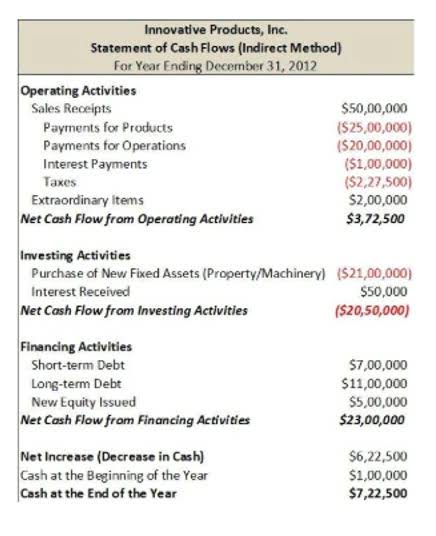
Cash and cash equivalents consist of cash on deposit with banks and highly liquid investments with maturities of 90 days or less from the date of purchase. Yes, CDs are short-term securities that are easily converted into a known amount normal balance of cash in a short period of time. Controlling cash flow and financing is a crucial part of running any business. A business can be profitable and still not be able to pay its bills on time because money was not managed properly. Investors and creditors need to know where the company’s cash comes from and where it goes. That’s why management details each cash activity for the period on the statement of cash flows.

Chicago Bookkeeping Services Small Business Bookkeeping by STE

chicago bookkeeping services

Our bookkeepers use Quickbooks and other accounting software systems to keep your accounts up-to-date. Access reports from anywhere with the touch of a button, it’s all digitized. Get the financial statements you need monthly to run your business effectively.

Top 10 Accounting Firms in Chicago

chicago bookkeeping services

Companies who specialize in accounting services for small business in Chicago are able to get the job done correctly so that you don’t have to. With accurate and up-to-date financial records, you can make informed business decisions, plan for future growth, and ensure compliance with tax regulations. As a dedicated accountant, I am committed to providing accurate and timely financial information that can help you optimize your financial performance and achieve long-term success. Partnering with a skilled bookkeeper like myself, can not only save time and reduce stress but also contribute to the overall efficiency and profitability of your business. If you are a small business owner, you can always count on having bookkeeping and tax services needs. These are two areas where an accountant like myself can provide much needed assistance.

  • We have compiled all the information you need to make an informed decision when it comes to outsourcing bookkeeping for small business in Chicago to ensure best practices are met.
  • This article examines the top accounting firms in Chicago distinguished by their industry expertise, range of services, and dedication to delivering exceptional value to clients.
  • Our bookkeepers are very adept at assisting law firms; we help them invoice clients so they can get paid.
  • Our experts at Go Girl Finance believe that outsourcing your bookkeeping services in Chicago is highly beneficial and can be cost-effective in the long run.
  • Every organization is different — that’s why we personalize your financial plan to best suit your business.

Comprehensive Bookkeeping Services in Chicago

chicago bookkeeping services

The end result is a set of accurate financial statements—an income statement and a balance sheet. With modern web based applications, mobile apps and customer service tools like instant chat, you can run your company’s finances from anywhere in Chicago with ease. Small business accounting in Chicago can end up being a hassle when you don’t know what you are doing especially when it comes to your employees or even tax preparations. Knowing that all your finances are being handled appropriately and in a timely fashion means less worry for you as a small business owner. From bookkeeping and payroll services to financial reporting and business insights, BooXkeeping is your all-in-one solution to make managing business finances easy. We work hard to understand your company’s financial state, focusing on financial literacy and offering professional insights to get your business back on track.

What should I look for when choosing an accounting firm in Chicago?

When you need help with invoicing, collections and accounts receivable, just getting pricing for accounting services in Chicago can be daunting with so many options. Some companies may only offer a flat monthly fee for end to end accounting services in Chicago that is all inclusive. Other companies offer a monthly payment plan with additional tasks like bank reconciliations and custom reporting offered on an la carte basis. For most small businesses, basic bookkeeping service in Chicago costs $110 per month up to $1000 per month for more complex situations or high volumes of transactions.

Individual & Small Business Taxes

chicago bookkeeping services

Combine the convenience of in office visits with a local accounting service in Chicago and online chat and video video support necessary. We support and work with most major accounting and bookkeeping software platforms, making it easy to outsource to us and keeping you in control of your financial data. Our bookkeepers have years of experience and are experts in bookkeeping for businesses of all sizes. Take control Grocery Store Accounting of your finances with the convenience of Monthly Bookkeeping.

chicago bookkeeping services

  • BooXkeeping is a nationwide provider of affordable outsourced bookkeeping services to small and medium-sized businesses.
  • We will work directly with you to tailor our bookkeeping services to meet the unique needs of your business.
  • Finding the right bookkeeping service in Chicago shouldn’t be difficult.
  • Get the financial statements you need monthly to run your business effectively.
  • The firm is accredited by numerous accounting organizations, ensuring adherence to the latest Illinois state and federal guidelines.

We will work directly with you to tailor our bookkeeping services to meet the unique needs of your business. At Steph’s Books, you get real people who are invested in growing your business every day. We specialize in outsourced bookkeeping services for independent contractors, construction companies, small businesses, law firms, and professional services throughout McHenry, IL and beyond. With over 25 years of experience, we understand the importance of financial literacy and individualized care.

chicago bookkeeping services

Pricing details

  • Book a demo today to see what running your business is like with Bench.
  • My bookkeeping services include thorough bank reconciliations to ensure your financial records are always accurate.
  • Local Bookkeeping For Small Businesses in Chicago – If you like working face to face with a bookkeeping company in Chicago or have a lot of physical paperwork, this type of service will be ideal.
  • Schedule a free, no-hassle, no-obligation consultation with us and find out how much time and money we can save your Chicago business today.
  • Boost your cash flow with efficient accounts receivable management, custom-tailored for small businesses in Chicago, improving collection rates and speeding up invoice processing.
  • This is ideal for companies looking to eliminate a paper-trail as well companies already doing many business related activities like banking and payroll online.
  • As a dedicated accountant, I am committed to providing accurate and timely financial information that can help you optimize your financial performance and achieve long-term success.

Bench simplifies your small business accounting by fixed assets combining intuitive software that automates the busywork with real, professional human support. Chicago’s accounting market features a mix of large international firms, regional players, and specialized boutique practices. Discover how we can help you have better finances with a personalized demo from a Bench expert, ready to answer all your questions. Shortly after you sign up, we’ll give you a call to learn more about your business and bookkeeping needs. On this call, we’ll connect your accounts to Bench, and gather any extra documentation we need to complete your books.