

Understanding Forex Trading Choosing the Right Online Broker 1740232188

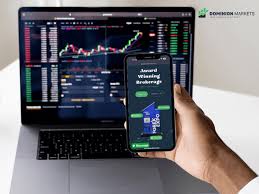
Forex trading has emerged as one of the most popular investment activities globally, and as the market continues to grow, traders are increasingly looking for reliable online brokers to help facilitate their trades. Whether you are a beginner or an experienced trader, finding the right broker is crucial for achieving success in the forex market. In this guide, we will explore the key factors to consider when choosing a forex trading online broker and provide insights into how to navigate this dynamic landscape. For those specifically interested in India, you might find useful resources with forex trading online broker India Brokers.
What is Forex Trading?
Forex, or foreign exchange trading, refers to the process of buying and selling currencies to profit from changes in exchange rates. The forex market is the largest financial market in the world, with daily trading volumes exceeding $6 trillion. Traders participate in this market for various reasons, including hedging against financial risks, speculating on currency movements, and facilitating international trade.
Why Choose an Online Broker?
Online brokers have revolutionized the way individuals and institutions trade forex. They provide traders with the tools and platforms necessary to execute trades from anywhere with an internet connection. The advantages of using an online broker include:
- Accessibility: Traders can access the forex market 24/5 from personal devices.
- Leverage: Many brokers offer high leverage, allowing traders to control larger positions with a smaller investment.
- Variety of tools: Online brokers often provide advanced trading tools, educational resources, and analytical insights to help traders make informed decisions.
Key Factors to Consider When Choosing a Forex Trading Online Broker
Selecting the right online broker is essential for your trading success. Here are some key factors to consider:
1. Regulation and Safety
Ensure that the broker is regulated by a recognized authority in the financial industry. Regulatory bodies such as the FCA (Financial Conduct Authority) in the UK, ASIC (Australian Securities and Investments Commission) in Australia, and NFA (National Futures Association) in the USA impose strict guidelines to protect traders from fraud and malpractice. Always verify a broker’s regulation to ensure your funds are safe.

2. Trading Platforms
The trading platform is your primary tool for executing trades, so it’s essential to choose a broker that offers an intuitive and reliable platform. Popular trading platforms include MetaTrader 4 (MT4), MetaTrader 5 (MT5), and proprietary platforms. Make sure the platform supports essential features such as charting tools, technical indicators, and automated trading options.
3. Spreads and Fees
Understand the cost structure of the broker, including spreads, commissions, and any other fees associated with trading. Low spreads can significantly reduce your trading costs, but be sure to evaluate the fee structure comprehensively. A broker may offer enticing spreads but charge higher commissions that could affect your profitability.
4. Range of Trading Instruments
While most brokers focus on major currency pairs, some offer a broader range of trading instruments, including minor pairs, exotic currencies, commodities, indices, and cryptocurrencies. A diverse selection allows traders to diversify their portfolios and seize various market opportunities.
5. Customer Service
A responsive customer service team can make a difference, especially when traders encounter issues or have questions. Check the availability of customer support channels such as live chat, email, and phone support. Additionally, consider reading reviews to gauge the quality of the broker’s customer service.
6. Educational Resources
For beginners, educational resources can significantly enhance trading knowledge. Look for brokers that offer educational materials, webinars, video tutorials, and demo accounts to practice trading without financial risk. A broker that invests in educating its clients demonstrates a commitment to their success.
7. Deposit and Withdrawal Options
Assess the deposit and withdrawal options available through the broker. Flexible payment methods, such as credit/debit cards, bank transfers, and e-wallets, can make it easier to fund your trading account and withdraw profits efficiently. Also, note the withdrawal processing times and any associated fees.
8. Trading Conditions
Different brokers offer varying trading conditions, such as minimum deposit requirements, leverage options, and margin policies. Choose a broker that aligns with your trading style and risk tolerance. If you are a new trader, you might prefer lower leverage to minimize risk.
The Importance of Demo Accounts
Before committing real funds to a trading account, it is wise to open a demo account with your chosen broker. A demo account allows you to trade in a risk-free environment using virtual currency. This practice can help you become familiar with the trading platform, test strategies, and build confidence before transitioning to live trading.
Conclusion
In conclusion, forex trading can be a rewarding venture if approached wisely. Choosing the right online broker is a pivotal step for any trader, whether new to the market or seasoned in practice. By considering regulatory compliance, trading platforms, fees, educational resources, and customer service among other factors, you can find a broker that meets your specific needs. As with all investments, it is crucial to conduct thorough research and practice disciplined trading strategies to enhance your chances of success in the dynamic forex market.